
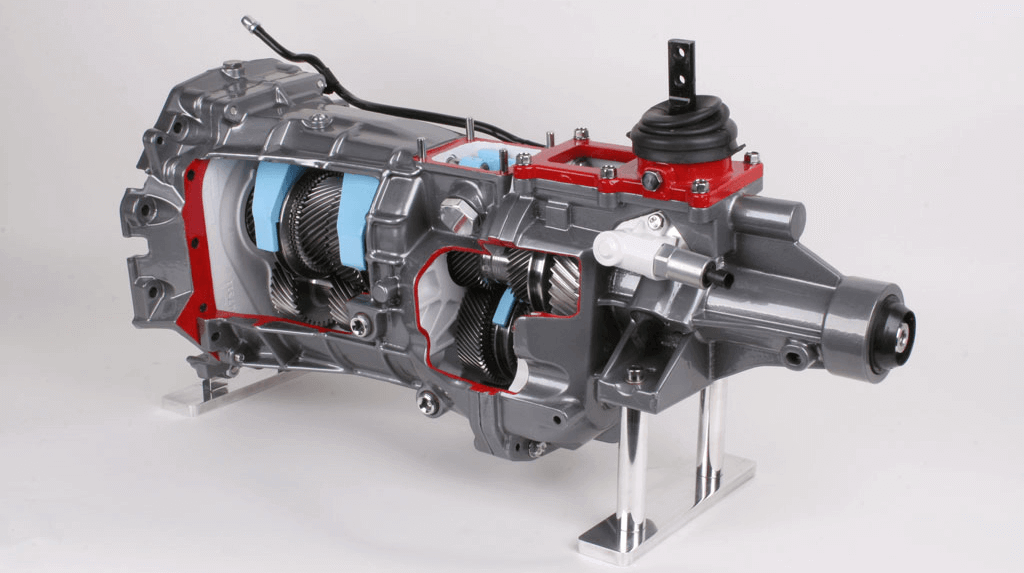
How to Reduce Tremec Transmission Gear Rollover Noise: A Technical Guide
For enthusiasts running Tremec manual transmissions—TKX, Magnum, Magnum XL, and TR-series units—gear rollover noise is one of the most common complaints, especially when paired with aggressive camshafts, lightweight flywheels, or aftermarket clutches. While the noise is not a sign of failure, it is an engineering side-effect of how modern performance transmissions are designed.
This guide breaks down what gear rollover noise is, why it happens, and proven strategies to reduce it without sacrificing shift quality or transmission longevity.
What Is Gear Rollover Noise?
Gear rollover noise is the audible rattling or chattering you hear at idle or low RPM with the transmission in neutral and the clutch engaged. The source of the sound is backlash between gears on the countershaft, which oscillate when the engine delivers uneven torque pulses.
Why Tremec Transmissions Are Susceptible
Tremec designs their performance gearboxes with:
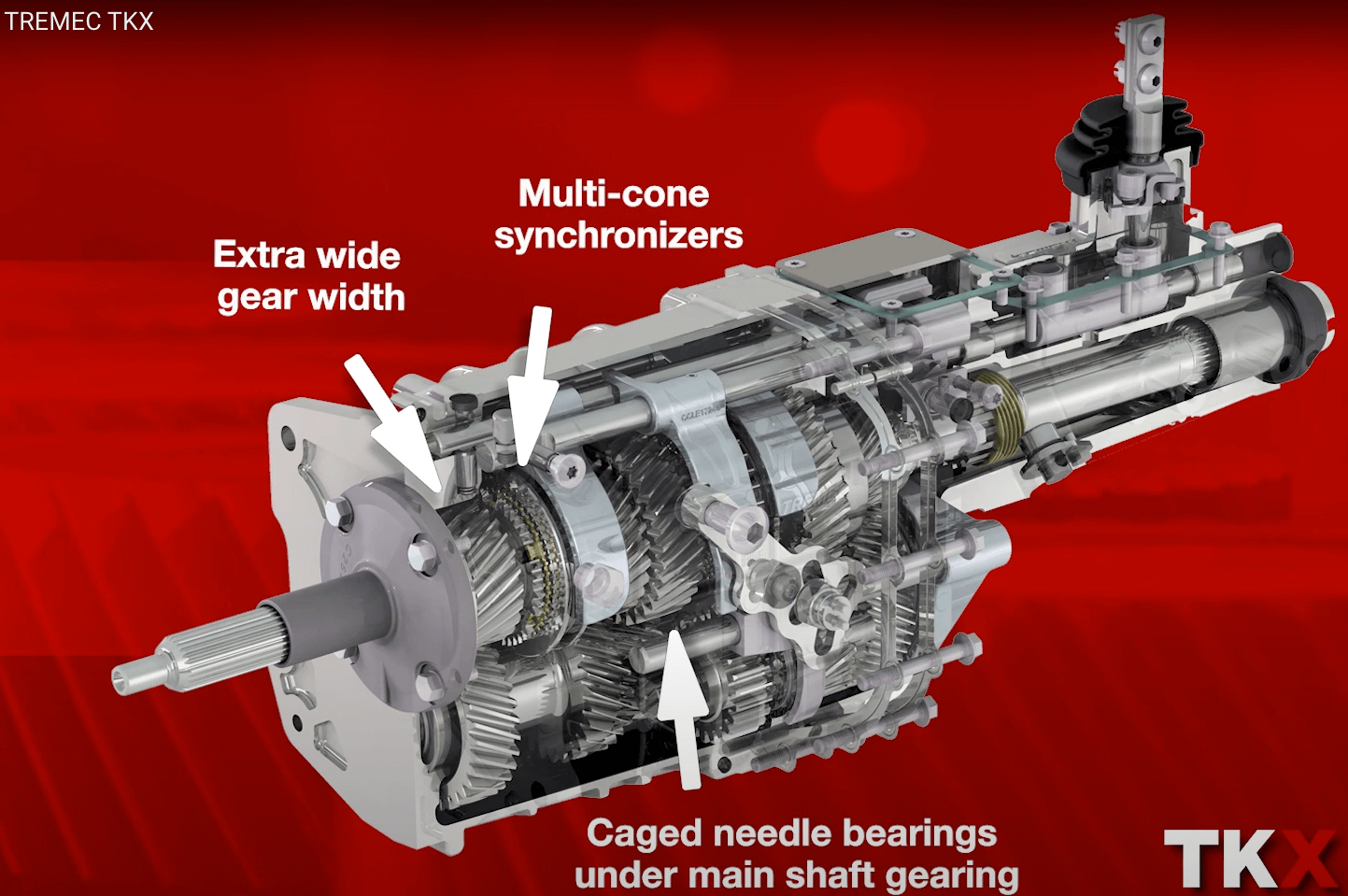
- Large, strong gears for high torque loads
- Straight-cut or semi-helical gear profiles in certain gears
- Tight shift tolerances for fast synchro engagement
These strengths make Tremecs durable and crisp-shifting—but also more sensitive to torsional disturbance from the engine.
Magnum 6-speeds and TR-4050 are more susceptible to this noise due to their larger gear sizes
Root Causes of Gear Rollover Noise
Before solving the issue, it helps to understand what amplifies it:
1. Engine Torsional Imbalance
High-duration camshafts, especially in V8s, create uneven combustion pulses at idle. This makes the input shaft accelerate and decelerate rapidly, which shakes the countershaft gears.
2. Lightweight Flywheels & Clutch Components
Reducing rotating mass improves throttle response—but also reduces the system’s ability to damp vibration.
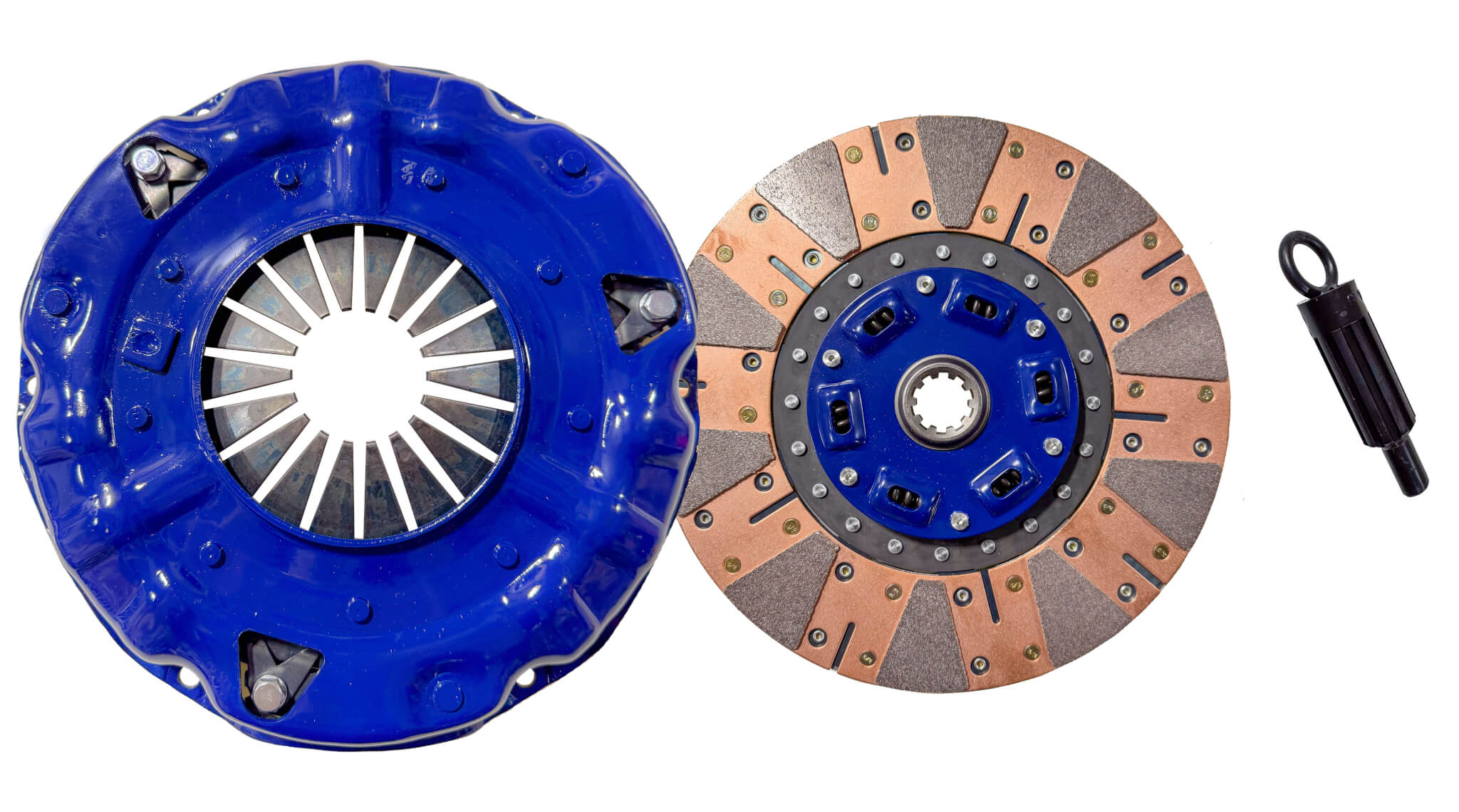
3. High-Performance Clutch Discs
Multi-puck or unsprung-hub discs transmit more direct engine pulses into the transmission.
4. Idle RPM Too Low
A loping cam combined with a low idle speed intensifies the torsional pulses that cause gear chatter.
5. Lubrication Choices
Effective Ways to Reduce Tremec Gear Rollover Noise
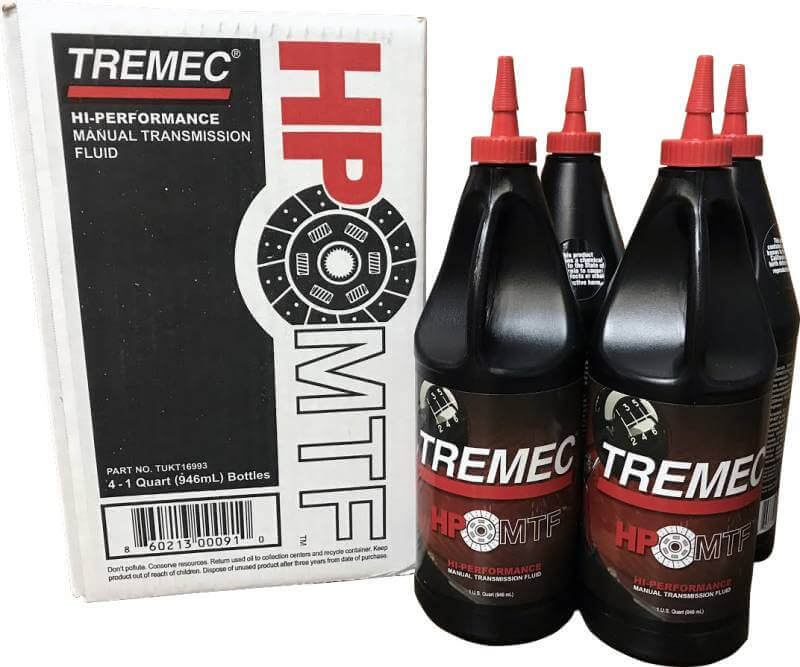
1. Choose the Right Transmission Fluid
Fluid choice is often the single biggest improvement you can make.
Recommended Options:
- Tremec HP-MTF (factory recommendation for TKX/Magnum)
- Dextron III
- MOBIL 1 ATF
- Pennzoil Synchromesh
Avoid:
- GL-5 gear oils (they damage synchronizers)
The goal is a fluid with proper friction characteristics and enough viscosity to damp gear oscillation.
2. Increase Idle RPM
A small bump in idle speed—from 700–750 RPM up to 850–900 RPM—can dramatically smooth the torque pulses entering the transmission.
This improves:
- Gear stability
- Input shaft vibration
- Overall NVH (noise, vibration, harshness)
3. Ultra-Light Flywheels
A flywheel under 12–14 lbs (steel) or under 20 lbs aluminum equivalent usually increases rollover noise.
Switching to a:
- Heavier steel flywheel, or
- Aluminum flywheel with a steel friction insert and proper damping
…will noticeably stabilize the driveline.
4. Check Driveline Alignment
Incorrect bellhousing alignment or excessive drivetrain angles can increase vibration and noise transmission.
Confirm the following:
- Bellhousing concentricity within 0.005″ total runout
- Driveshaft angle within 1–3 degrees, with less than 1° mismatch between transmission and pinion
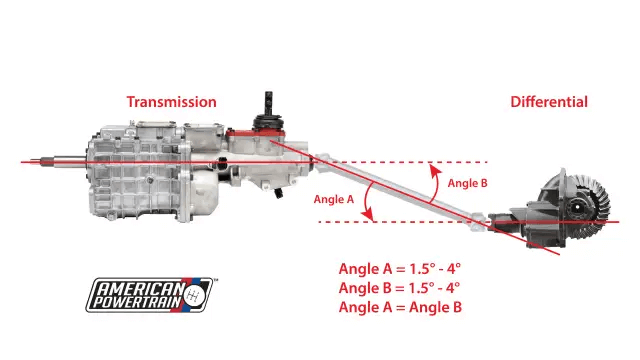
Tremec publishes strict specs because alignment directly affects NVH.
5. Check your Harmonic Balancer
A high-quality harmonic damper can smooth the torsional pulses entering the transmission.
Good upgrades include:
- ATI Super Damper
- Fluidampr
Especially beneficial for engines with:
- Big cams
- High compression
- Lightweight rotating assemblies
6. Isolate the Cabin
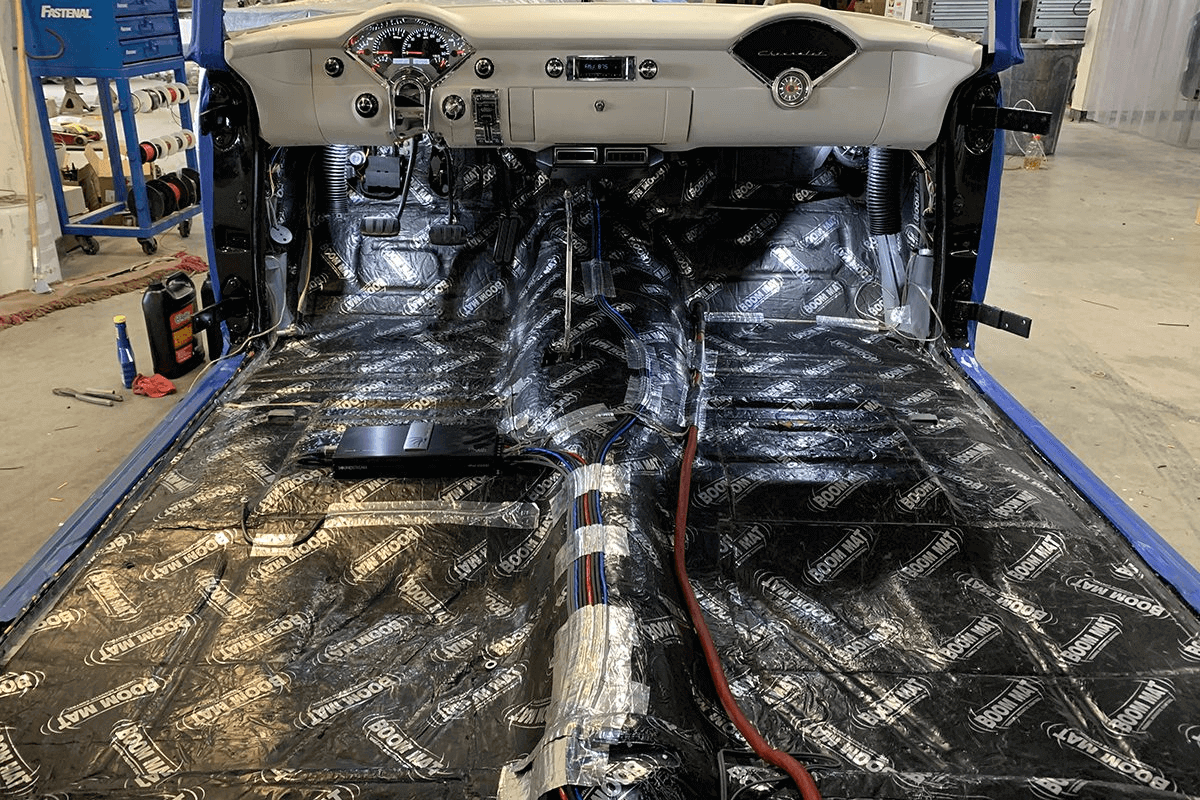
If mechanical solutions aren’t enough, NVH can be reduced by improving the cabin environment.
Options:
- Transmission tunnel insulation (DEI, Dynamat, LizardSkin)
- Polyurethane transmission mount → rubber mount swap
- Shifter boot sealing improvements
These won’t eliminate rollover noise at the source, but they make daily driving far more pleasant.
When Is Gear Rollover Noise NOT Normal?
Most rollover noise is harmless, but abnormal sounds should be investigated.
Look out for:
- Grinding during shifts
- Whining that changes with vehicle speed
- Noise present with clutch depressed
- Metal in fluid
These may indicate:
- Input shaft bearing wear
- Cluster gear bearing issues
- Alignment problems
- Clutch disengagement issues
Always diagnose unusual symptoms early—Tremecs are tough, but not impervious.
Conclusion
Tremec gear rollover noise is a natural byproduct of strong gears, tight tolerances, and high-performance drivetrains. However, with smart component choices and tuning, you can significantly reduce the noise without sacrificing performance.
Best Improvements (in order of impact):
- Switch to optimized synchro-friendly fluid
- Use a sprung-hub clutch
- Increase idle speed
- Avoid ultra-light flywheels
- Improve driveline alignment
- Add harmonic damper upgrades
- Improve cabin insulation
With the right setup, your Tremec gearbox can be strong, smooth, and quiet enough for daily driving for thousands of miles.
Discover more from American Powertrain - TREMEC Conversion Specialists
Subscribe to get the latest posts sent to your email.


Great info. Would this also explain the noise I hear from my Magnum when in gear just below 2000rpm? To me it sounds like more aggressive gear rollover. Not quite a grating sound, more of a rattle or rolling a can of bolts on the ground.
It’s most noticeable in gears 3 and up, but it can be heard in every gear, I just tend to spend more time in that rpm range in gears 3,4,5.
It’s definitely coming from the transmission.
I have tried pulling ignition timing in case it was amplifying engine detonation, but made no difference.
I have only ever heard this mentioned by someone on a Nissan 350Z forum with an aluminum flywheel.
Pontiac 489”, 4.5” stroke, 9.5” Ram dual disk clutch, aluminum flywheel, healthy roller cam (238/[email protected])
Tremec Magnum wide radio
3.55 rear gear
Thanks.